Historic, Garage, Acreage, New Roof
1901 Castle Dale Adobe With Major Infrastructure Done and Room to Build — $149,500
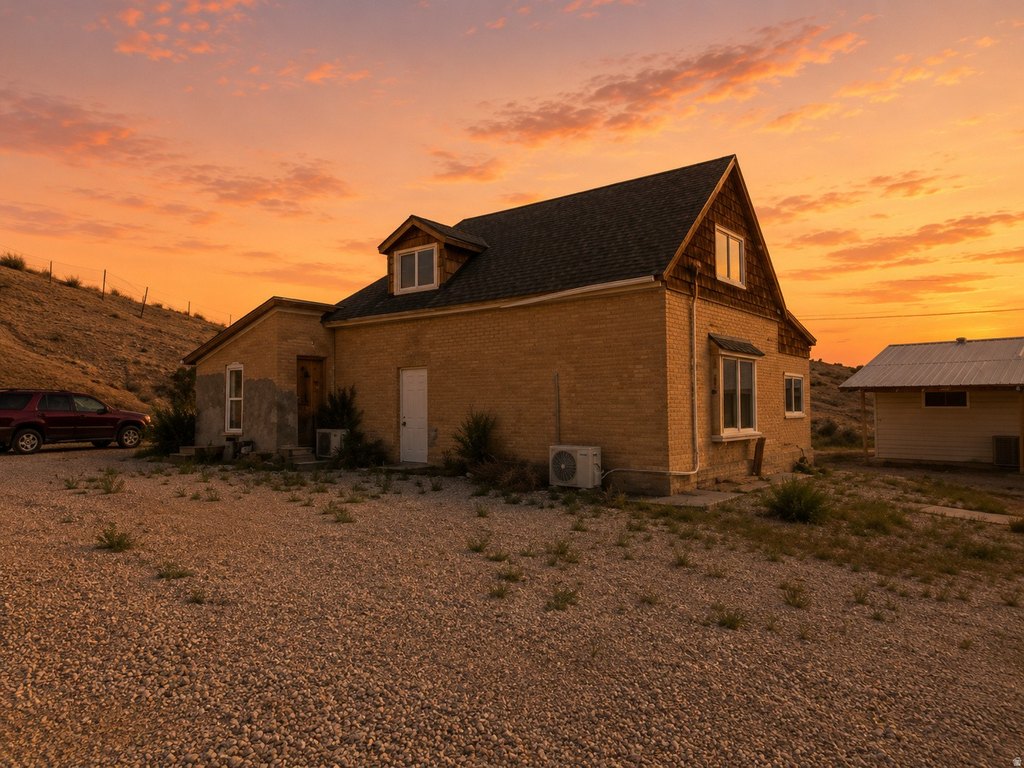
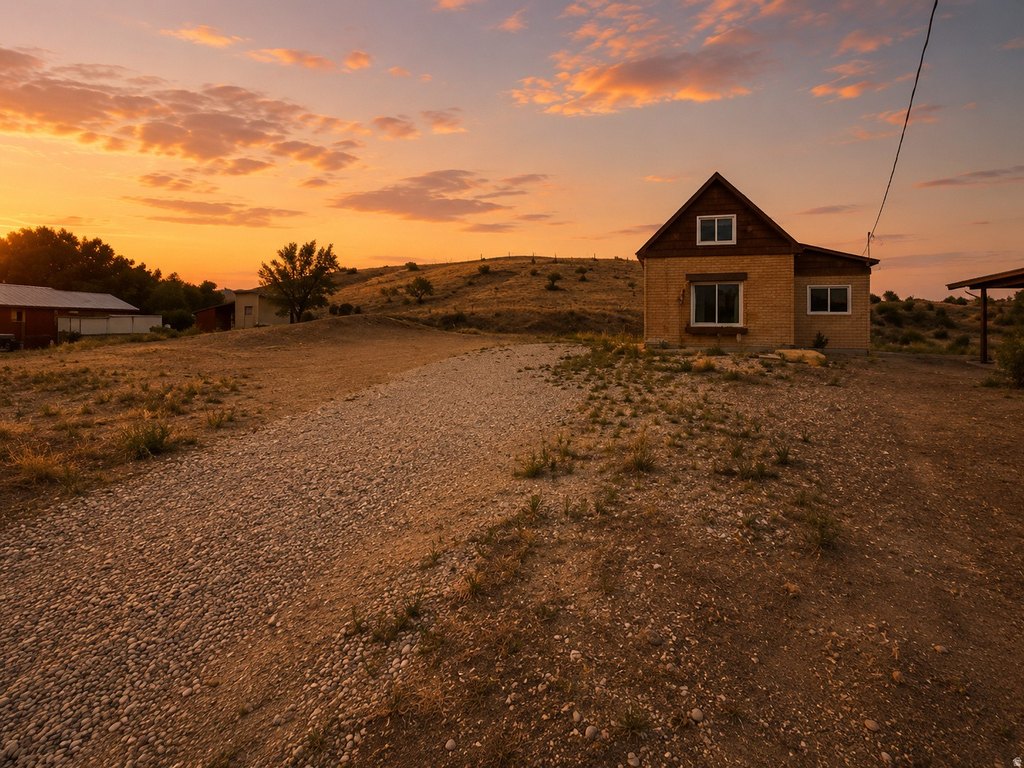
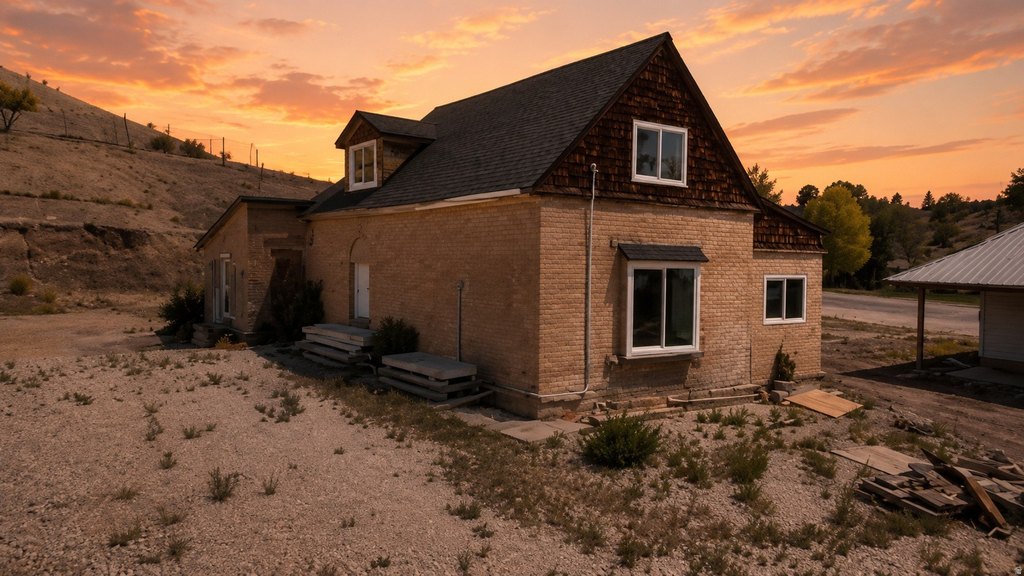
The house was built in 1901, which in Castle Dale means it has been standing through most of the town's recorded life. That's the thing that stops you first. You're looking at pre-WWI construction in a high desert Utah town, and it's still there, still structurally present, still worth doing something with.
What someone has already done is substantial. New roof, new windows, new doors, new electrical service, new water line, new sewer line, a mini-split heating and cooling system. That's the list of things that usually kills a historic renovation before it starts. The money and the decisions are already behind this one. What's left is interior work: kitchen, bathrooms, flooring, paint. The agent description says fixtures are included and just need to be installed. That's a meaningful head start.
The lot is 0.66 acres, which is a real amount of land for a town property. Excavation has already been done to create space for a garage, workshop, or outbuildings. So the groundwork is literally in place. You'd be finishing both the house and building out the site rather than starting either from scratch.
The house is 1,601 square feet, three bedrooms, two baths. At $149,500 that's $93 a square foot for a property with this kind of age and this much infrastructure already replaced. The interior finish work is real work. This isn't a house you move into next month. But the expensive, disruptive, structural layer of the project is done, and that's typically where people walk away from old houses.
What the agent description doesn't tell you is much about the interior condition beyond "finishing touches," which is language that covers a wide range of situations. You'd want to walk it and see exactly where things stand with the kitchen and bathrooms before drawing conclusions about the remaining budget. But the bones underneath those finishes have been addressed. That part is clear.